
Learn from history's old masters - create a fragrant herb garden
Fragrant spices, medicinal plants, and plants that attract butterflies and bees – could it get any better? In this article, you can learn more about the herb garden and how to create your own.
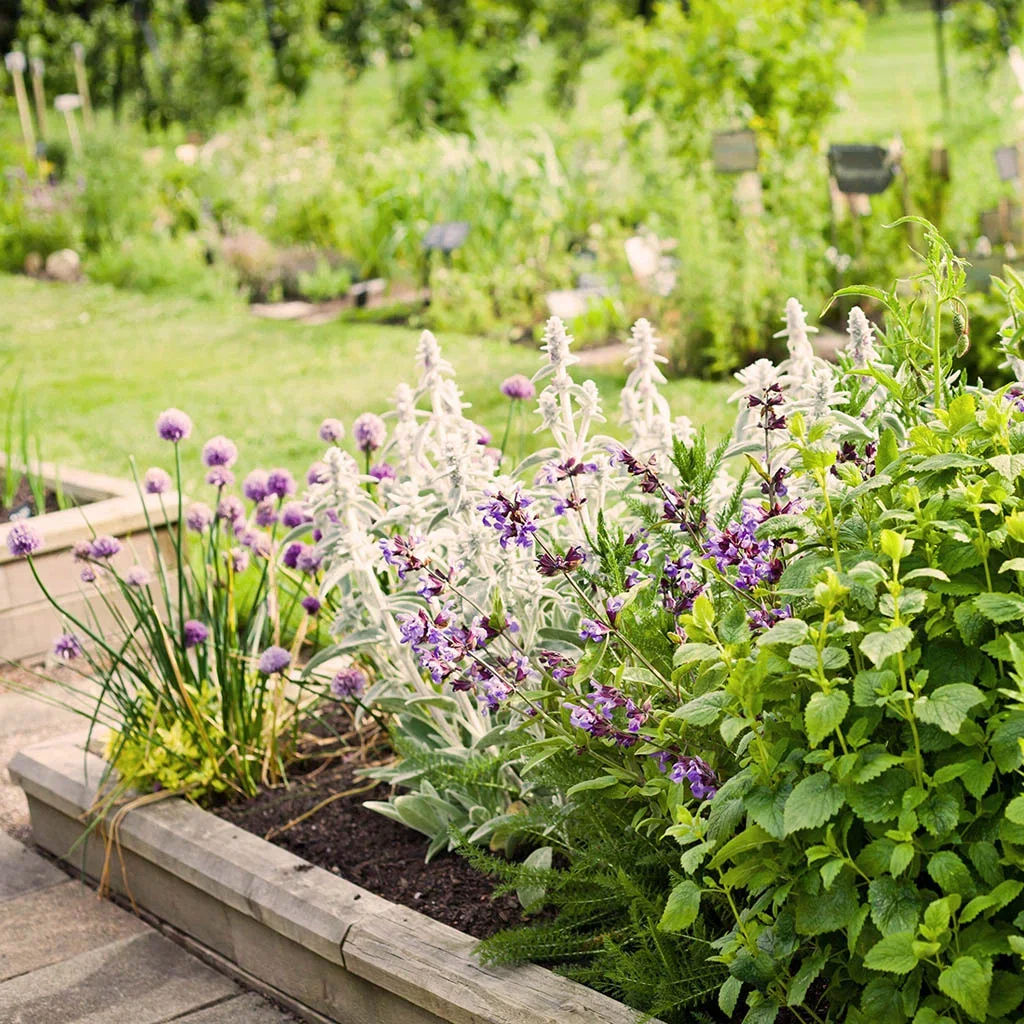
The use of herbs and spices goes back a long way – all the way back to ancient Egypt and the Viking Age here in the north. Even Neanderthals used herbs. In fact, remains of yarrow, among other things, were found in their teeth.
Italian monks planted herb gardens
In Europe, more planned herb gardens were built in the 6th century, when monks in Monte Cassino, Italy, created a herb garden in their monastery. The focus was on medicinal plants, and it served as a kind of home pharmacy.
A couple of hundred years later, an Italian medical school was established, and the need for herbs exploded. More and more monasteries opened pharmacies, and as the monks missionaryed north, they spread knowledge of medicinal plants. The Crusaders also contributed when they brought spices from the East to Europe – spices that are also used in food.
Spices are mostly used for cooking nowadays
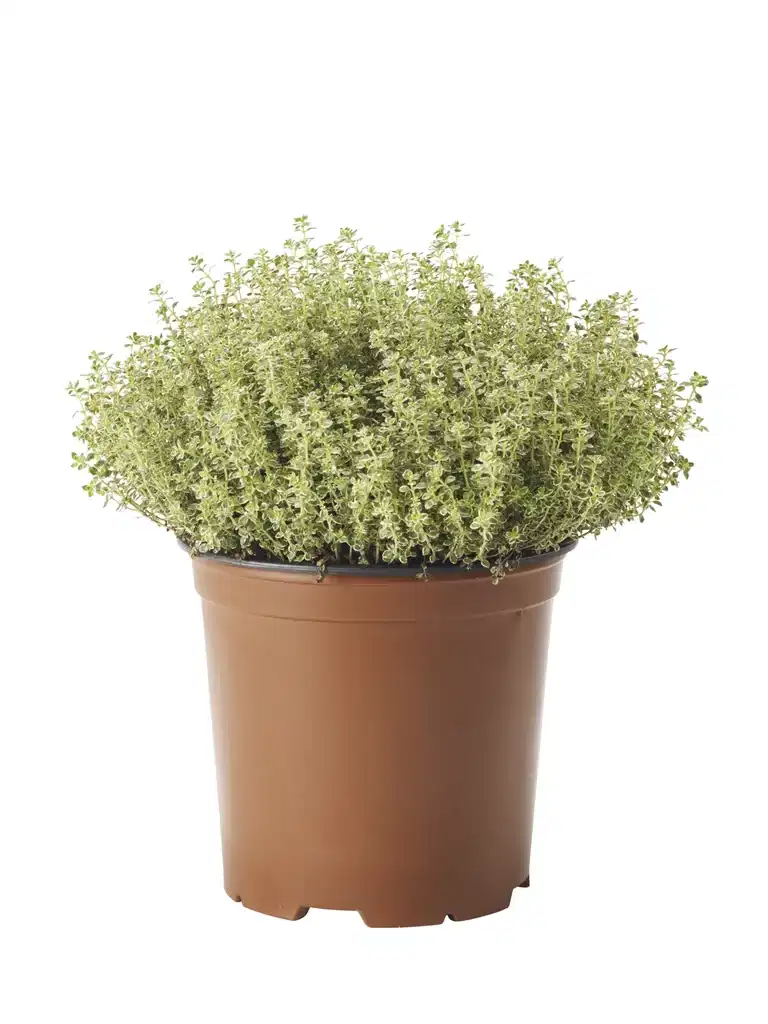
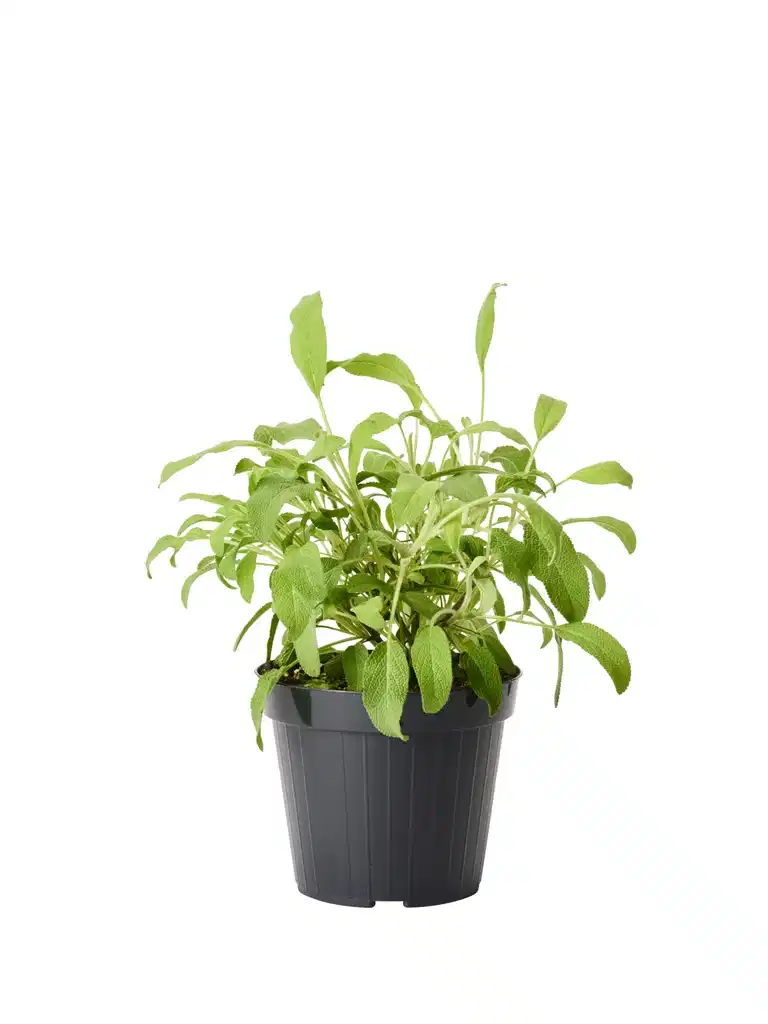
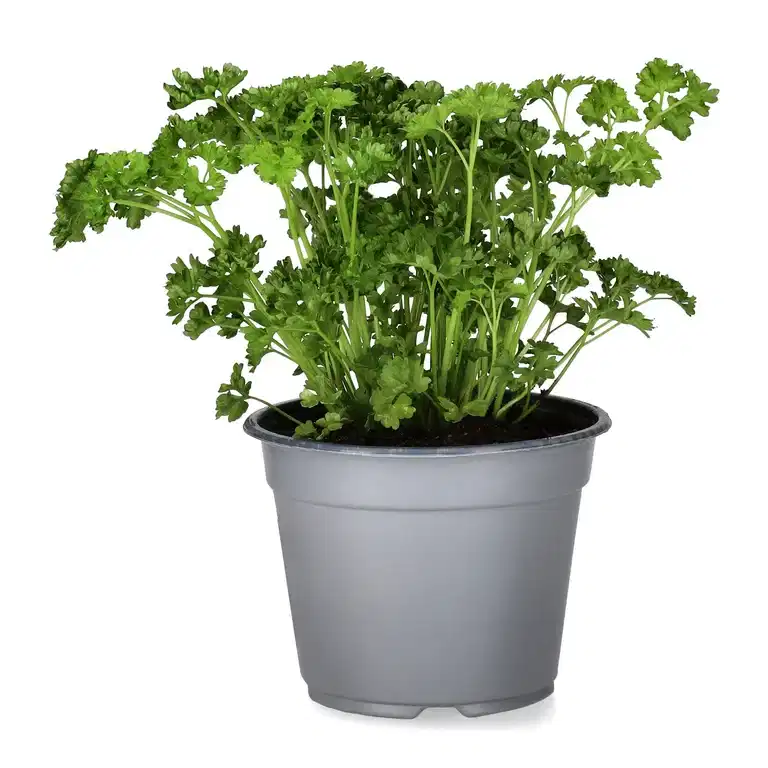
Now we find herb gardens everywhere, but mainly with cooking spices. Perhaps the funniest thing is that the herb garden can accommodate so much, partly common herbs like parsley, oregano and thyme, but also more unusual herbs like hollyhock, violet root iris and lion's tail.
Whatever your herb garden contains, it is a nice element in the garden and part of a long tradition.
Planning a herb garden
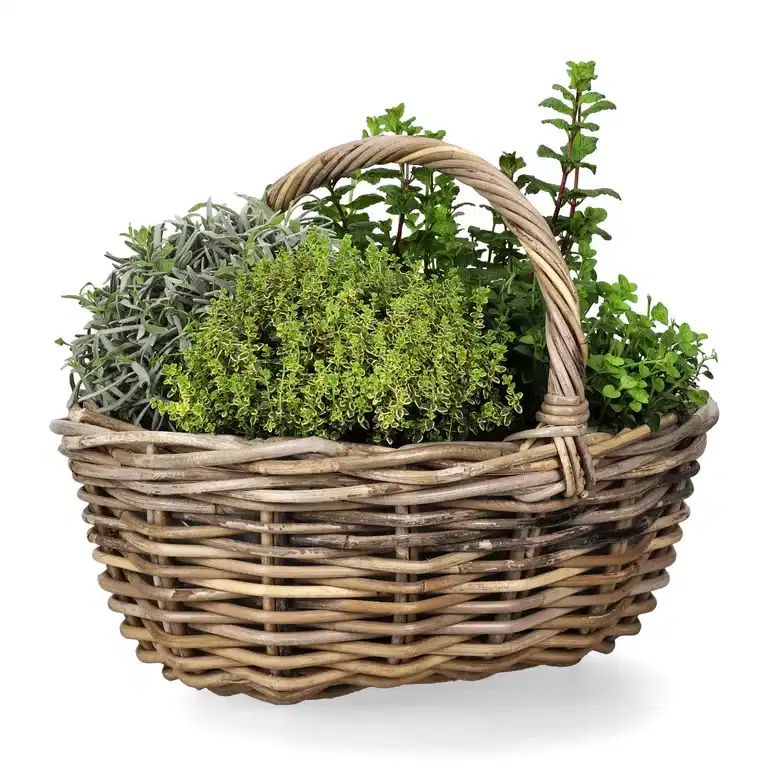
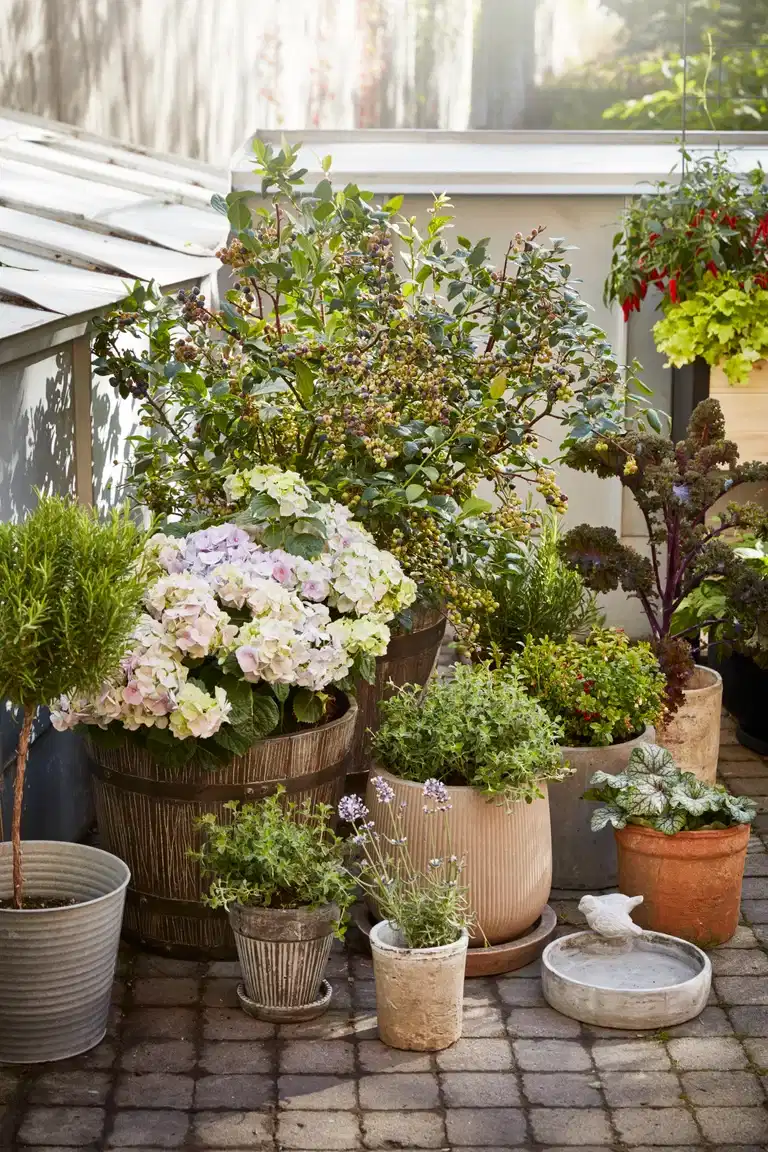
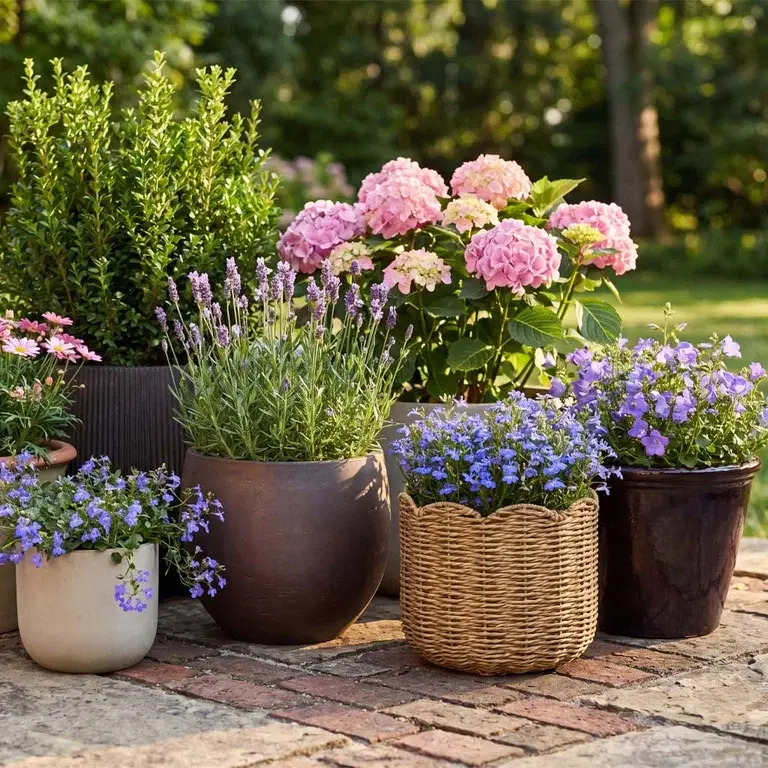
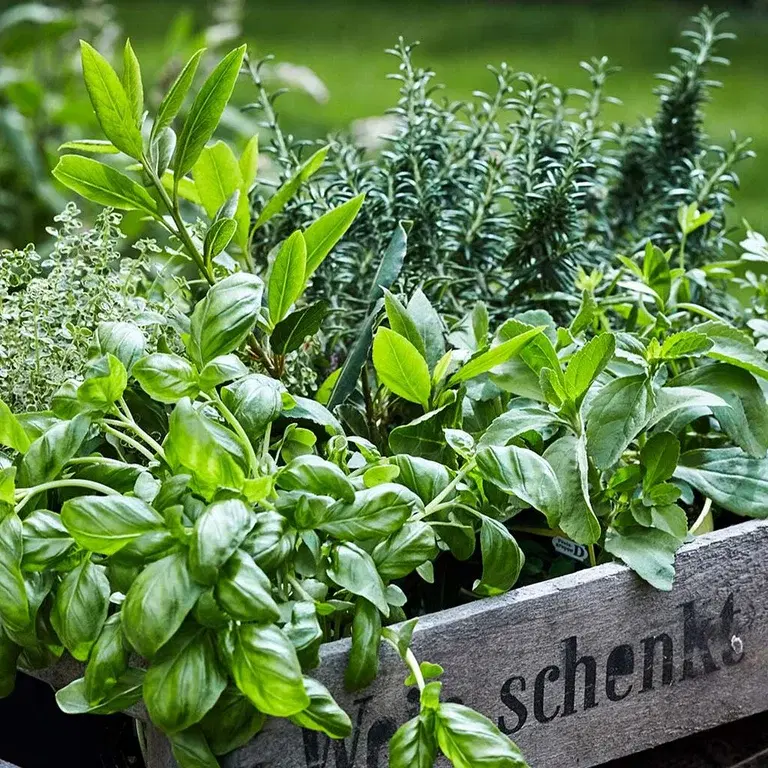
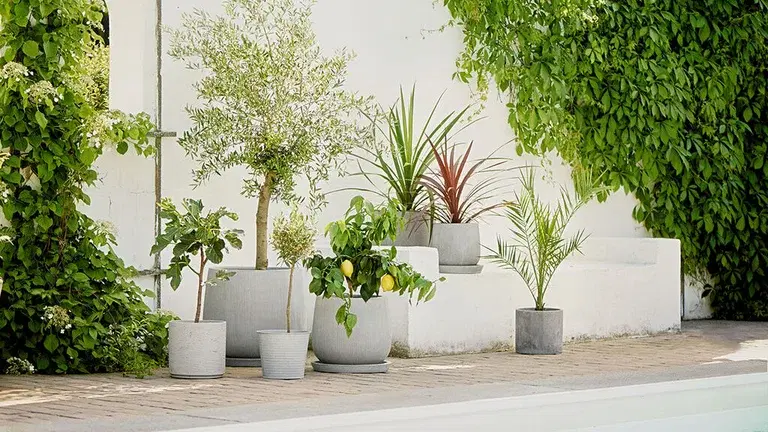
There are really no rules for how an herb garden should look, only your imagination sets the limits. Herbs can take up half the plot or be planted in a balcony box or a large pot. Some varieties that spread easily may even fit better in pots, such as mint.
If you plant an herb garden outdoors, the shape can be square, oval, round or even winding. It is often nice to have passages and divisions with, for example, a wicker fence or low walls.
Sunlight and soil
Many herbs and spices love sunlight, and a sheltered southern location is usually best. Most also prefer well-drained soil that is not too rich. Mint is an exception, however, which prefers heavier soil in a brighter location.
It pays to do some research on each plant and then group those that like similar conditions together, excluding the varieties that tend to take over easily. You can also plant annual herbs and spices separately, so you can easily replace them the following year.
Pick herbs and spices
If you harvest herbs regularly, the plants will not have time to flower. If you want them to flower so that you can take seeds, for example, you can cut the entire plant down after flowering. This may give you enough time for another bloom before winter.
A good tip is to find out how best to harvest the individual herb or spice. Some plants, like basil, divide and become larger and finer if you just pick the tops above a few leaves. Other plants, like rosemary, are harvested by picking the green, conifer-like bottom.
Save the seasoning
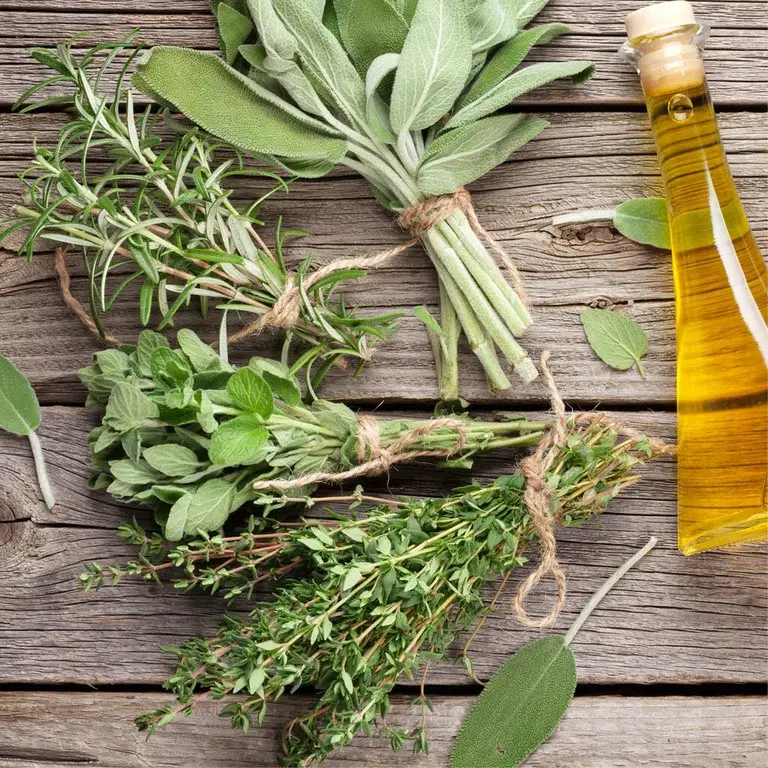
The best way to store spices depends on the type of plant, but herbs and spices can either be dried or frozen. Nettle, for example, retains its flavor best in the freezer, although it can also be dried.
Horsetail is also a good spice that can be difficult to find in stores. That's why it's well worth growing - it adds the finishing touch to pots and goes especially well with tomatoes. According to old beliefs, horsetail was planted by the door of a cabin to scare away witches, snakes, evil spirits and unwanted guests. It was also said that the spice could relieve foot sweat, and it was therefore used in shoes as a kind of foot deodorant.
Tips from the experts
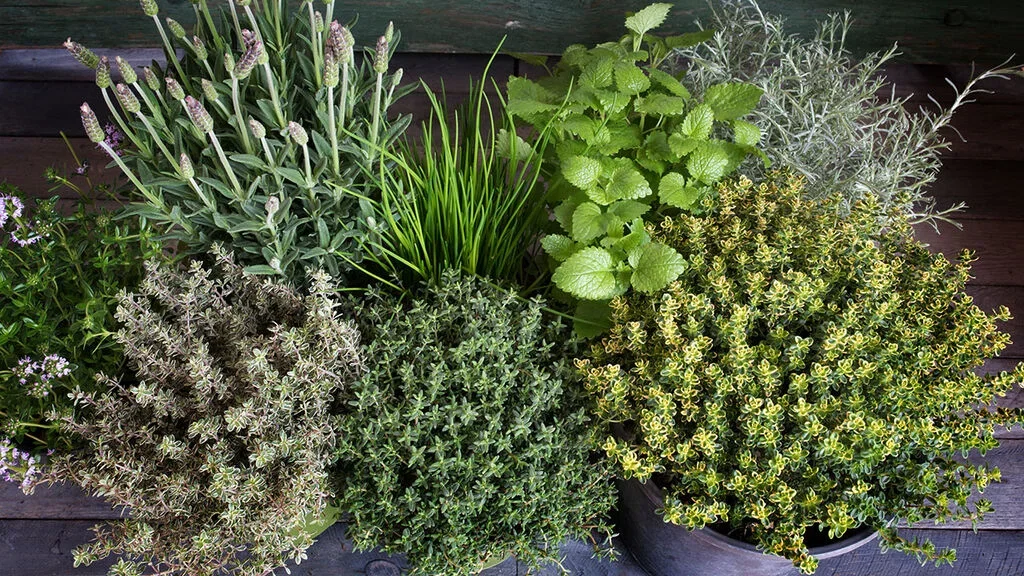
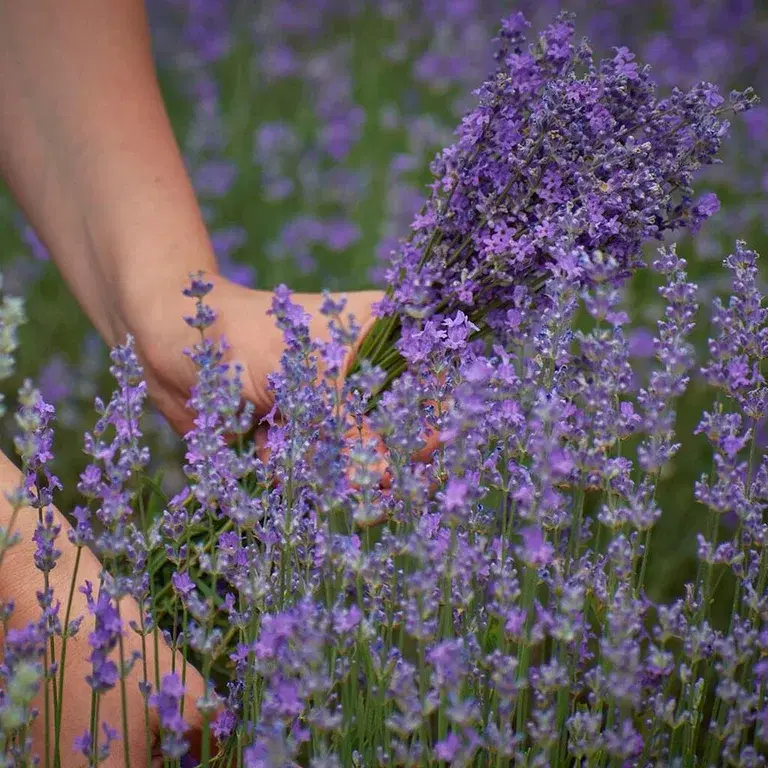
A nice combination of spices that attract bees and butterflies is mint, lavender, sage, Spanish chervil, mountain thyme, hyssop and lemon balm.
More plants that fit well in the herb garden:
- Wormwood and brook – traditionally used to flavor spirits.
- Masterwort – an ornamental plant that was previously used as a preferred medicinal herb.
- Bearberry – an ornamental herb that is also suitable as a food spice, brought to the north by monks in the Middle Ages.
- Spearmint – healthy to have in tea, food, scented sachets and potpourri.
- St. John's wort – an older medicinal plant that has historically been considered to have driven away trolls. Can be used for oils, dyeing and the like.
- Chives – a lovely onion that also forms small onions that can also be eaten.
Tip: Summer salad with horseradish
- 7 tomatoes cut into pieces
- 6-8 leaves cut lingonberry (amount can be adjusted to taste - the leaves are tasty)
- 3 tablespoons chopped chives or other good onions from the herb garden, such as chives
- 1 tablespoon Dijon mustard
- 1 half tablespoon grated orange or lemon zest
Swedish garden inspirer, journalist and author of books about nature, cultivation and animals, such as "Soil", "Grow for insects" and "Chickens as a hobby".
Read more:
You are here: